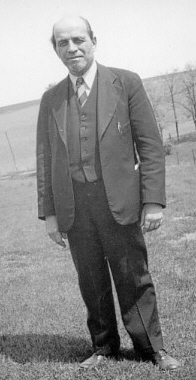
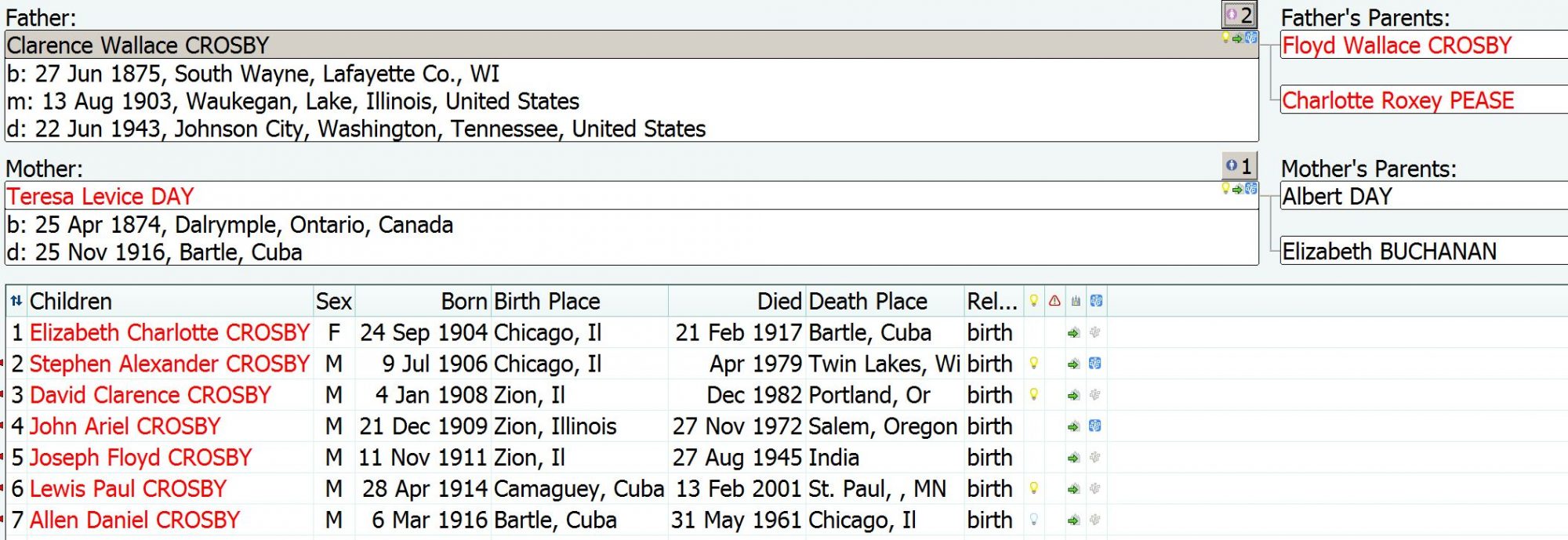
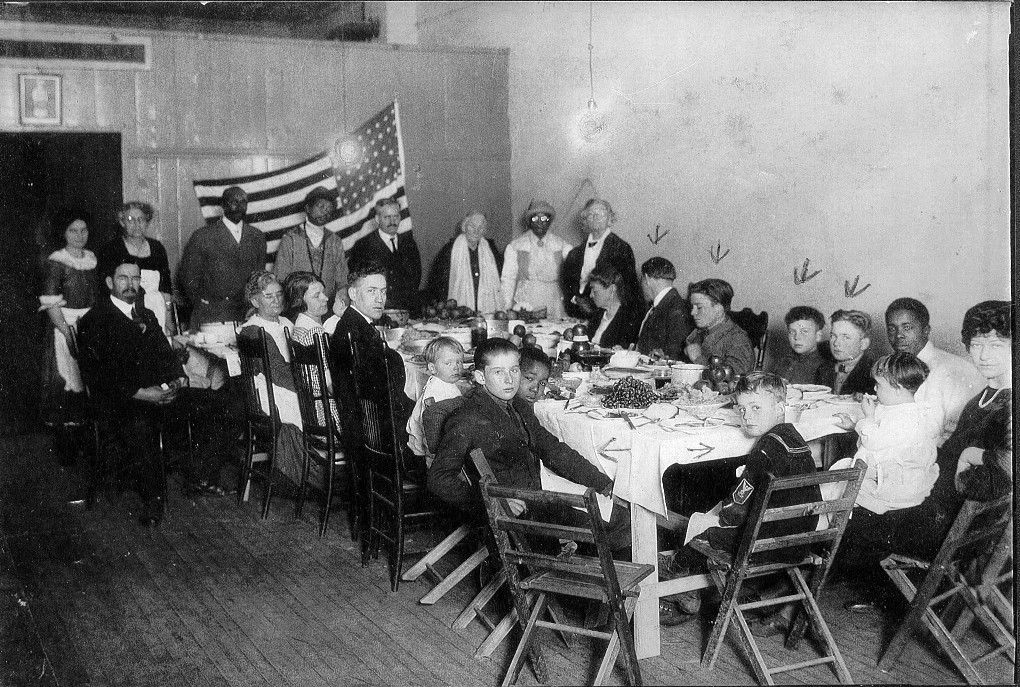
This is the story of Larry’s grandfather — for the most part in his own words. The family kept many letters by him, and many that mention him.
Larry was struck by what ran through the boys and into the next generation: an innate intelligence, inventive talent from Clarence to Steve and, to a lesser extent, the other brothers. Most were doers, not theorists. Business owners and landowners. No lawyers or politicians. Some aimed high and did not find success, and lived with frustration. Personalities could be so contrarian they would not take part in family affairs.
He presents Clarence’s life in Clarence’s words.
South Wayne and Dickson
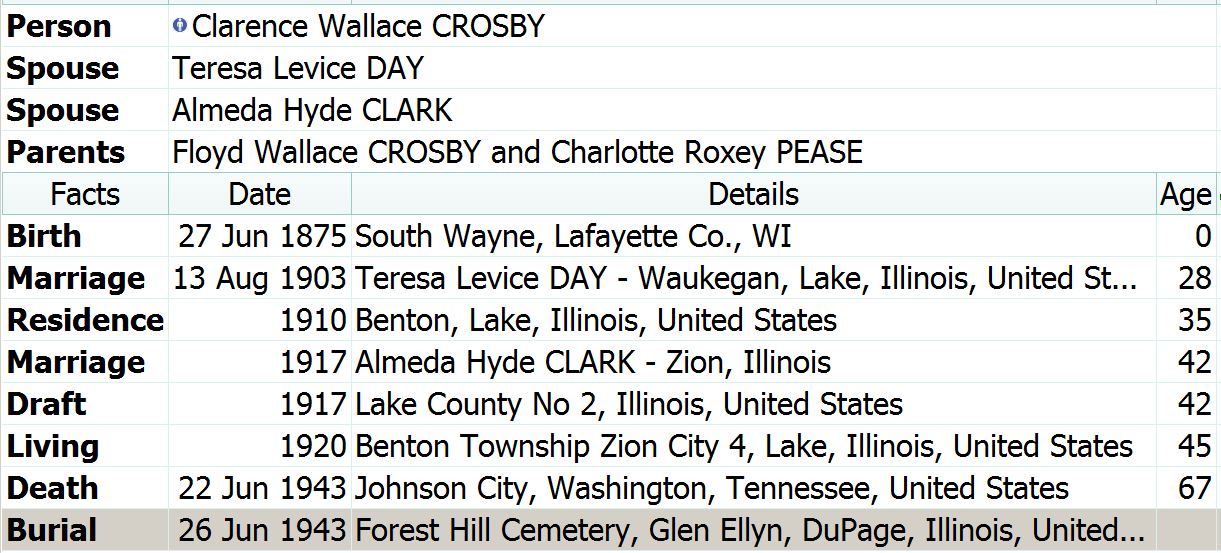
June 27, 1875 — born in South Wayne, Wisconsin.
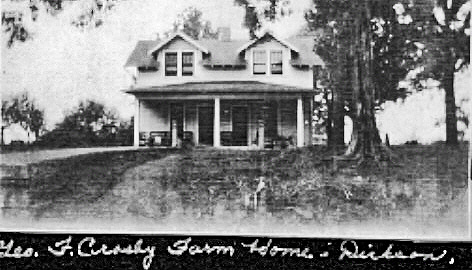
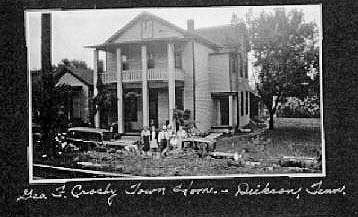
Summer 1884, from the 1968 book: “In a few weeks he (Father — Floyd) left for Tennessee (Dickson) and his family (Charlotte, Clarence, Walter & Jesse) followed in November. They bought land there, built a house, and in the spring of 1886 moved onto the farm. He cleared some of the land and worked at carpenter work for a few years.”
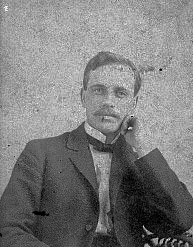
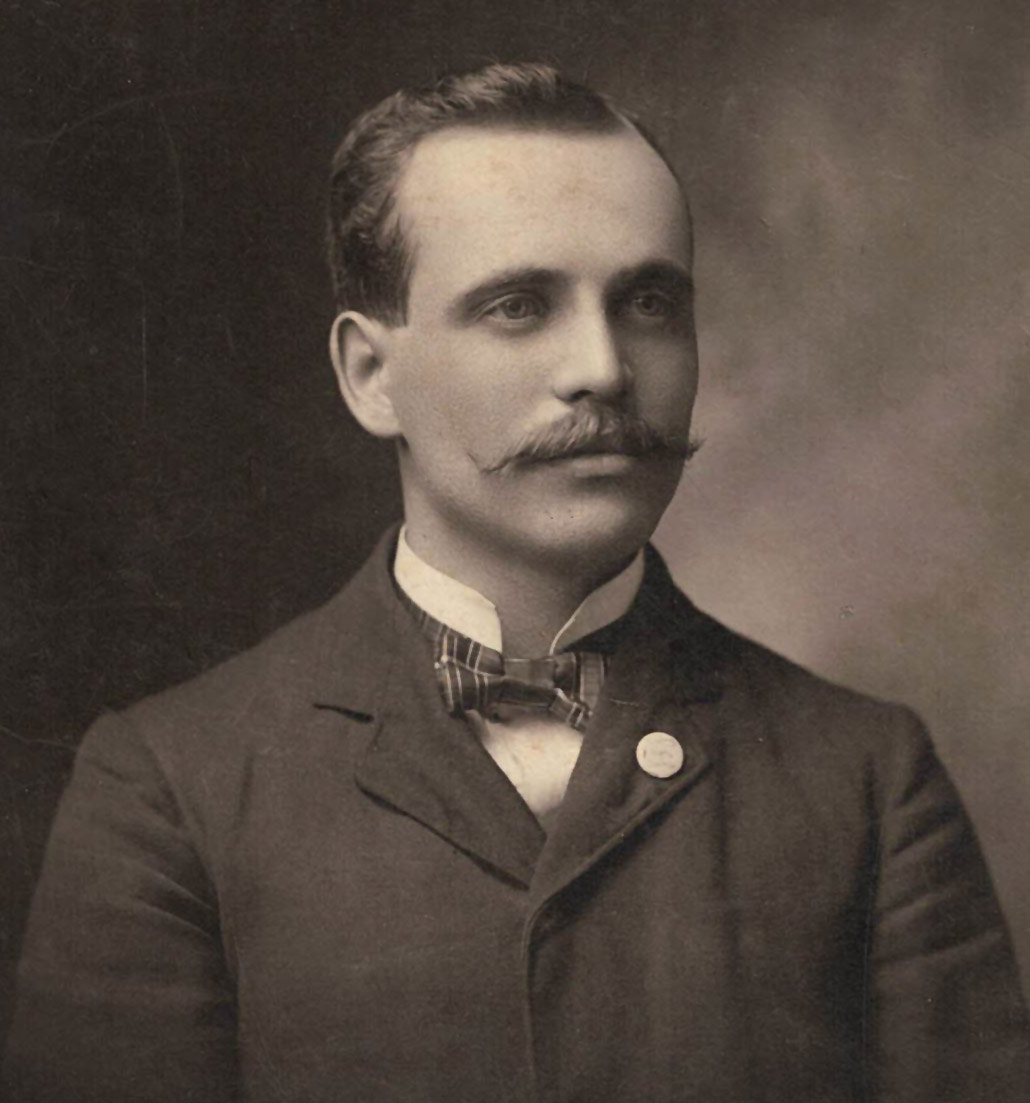
Marriage, children, the stoker
August 13, 1903 — marries Teresa Levice Day in Zion, Illinois. Children: Elizabeth Charlotte, September 24, 1904, Chicago; Stephen Alexander, July 9, 1906, Chicago; David Clarence, January 4, 1908, Zion; John Ariel, December 21, 1909, Zion; Joseph Floyd, November 11, 1911, Zion.
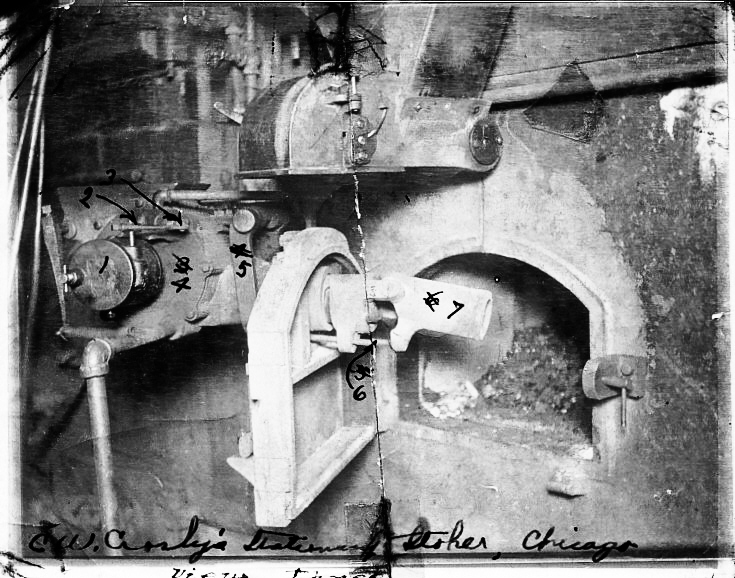
In January 1909 brother George came up from Tennessee, found work at Chicago Hardware and Foundry, and boarded with Clarence. In February Clarence ran a machine shop on the third floor of the Bermuda Paint Co. on 5th Avenue, making stokers for stationary steam boilers. They had three or four machines started, one running, when fire in the basement destroyed the building. George wrote that it stopped the stoker business. Clarence never got it started again.
Cuba
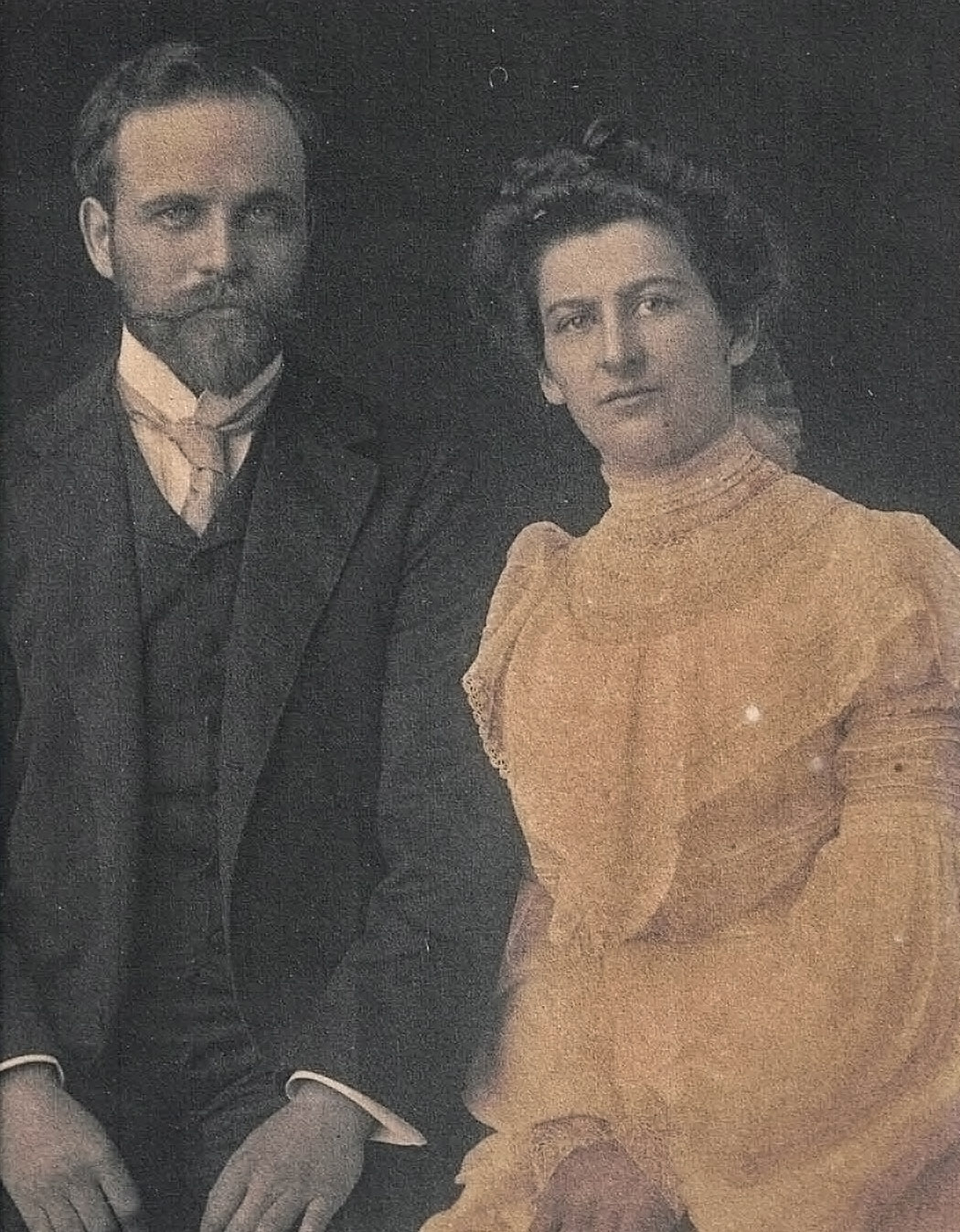
December 1911 — Clarence moves to Cuba with Teresa and five children (Elizabeth, Stephen, David, Ariel, and newborn Joseph). Charlotte’s letter of September 24, 1912: Clarence is a fireman on the Cuban railroad. Teresa runs the hotel in Bartle. Lewis Paul is born April 28, 1914 (Clarence’s page says Camagüey; the Cuba place page says Bartle).
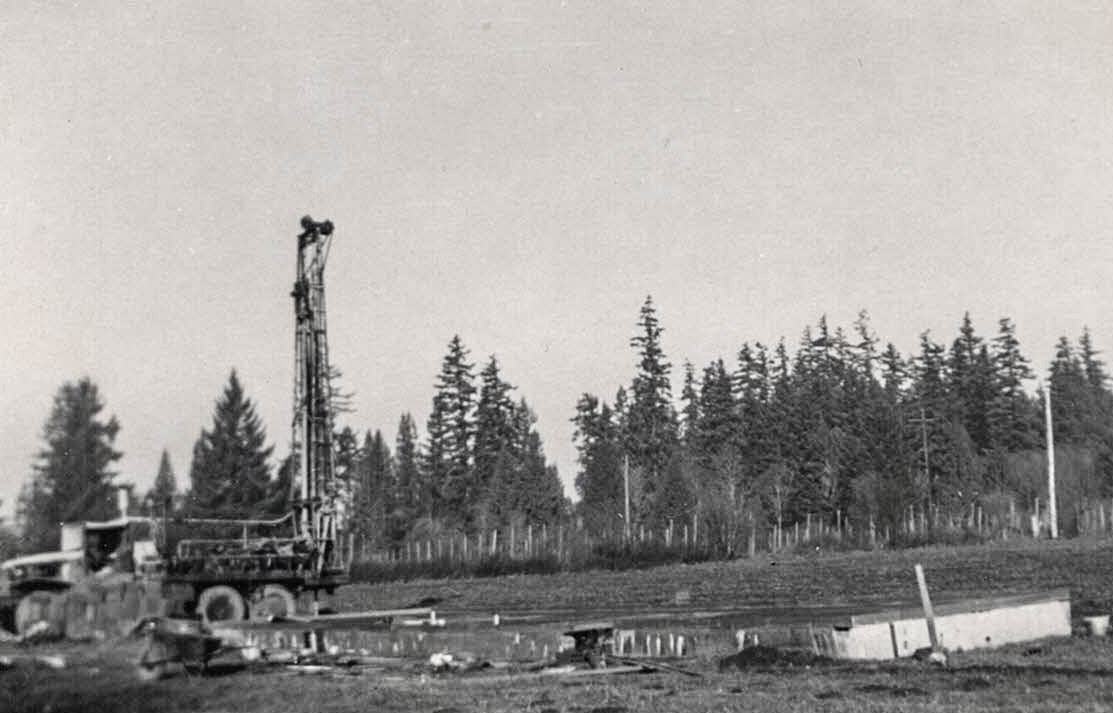
Teresa’s letter of about 1915: Clarence believes a man should live from the soil. He has come to hate “wheels.” He and Stephen are out drilling wells, gone three weeks at a time. Work is good, but the equipment is too small, and new gear is slow because of corruption on the Cuban docks and railroads. “Clarence looks more and more like his father Floyd, and is naturally dispositioned like him.”
March 6, 1916 — Allen Daniel born in Bartle. November 25, 1916 — Teresa dies and is buried near Bartle. February 21, 1917 — Elizabeth dies at 12 and is buried there.
George’s history: after weeks at the sugar mill, an overloaded island boat at first refused them, then took only those leaving Cuba. Clarence and his boys, and George, went to Havana. A collection on the boat paid for Clarence’s boys. From Havana they booked to Florida, then to Zion. Floyd wrote April 15, 1917, that Clarence’s family had arrived home the day before.
“Had I left just after Lewis was born, as God told me to, I believe the trip could have been as well made; and that it would have saved Teresa’s and Elizabeth’s lives.” — Clarence, August 14, 1933
Zion winters
Fannie, May 21, 1917: she and Bertha were at Clarence’s. Fannie made bachelor pancakes. The walk was two miles. Clarence seemed cheerful most of the time. Charlotte was helping with the children.
September 15, 1917: he has been weak and depressed all spring and summer. He is living in one of Mrs. Clark’s (Almeda — soon his second wife) houses. She has cared for the children since about July 1. “Wonderfully refreshing to come home from work and sit down and eat a meal cooked by a good woman’s hands.” He works in a target factory north of Zion, making targets for the army. Piece work, $8 a day. He does not like it. He wants the Bartle graves marked and the cemetery cleaned if money comes from Cuba.
December 10, 1917: two rooms, both heated by a large range. Even red hot, ice on the windows four feet away. Two hundred pounds of coal in 24 hours. He shovels coal at 30 cents an hour. A job at Great Lakes Naval Training Center might pay $2.80 a day. He left better pay because he had no proper clothes for the exposure. Allen is with Mrs. Clark. Stephen and Ariel sleep there nights.
“I seldom allow the children more than one slice of bread at a meal. All but baby (Allen) have been without milk or cocoa, and have only had the merest sprinkle of sugar for weeks.” — December 15, 1917
December 1917 — he marries Almeda Hyde Clark in Zion. Charlotte wrote from Billings in February 1918 that they had a new sister-in-law, “a very nice energetic woman,” with two or three boys and one girl, and three houses.
Stephen had “a most wonderful dream or vision — saw her coffin here… when suddenly the lid flew open, and Mama stood right up in the middle of it, so beautiful and smiling.” Clarence wrote that he could not help feeling there had been a divine purpose in Teresa being taken away.
After Floyd and Charlotte
April 5, 1919 — Floyd dies in Billings. Clarence and Bertha left for South Wayne. Clarence wrote that Papa’s spirit was gone before he arrived. He had gone “fully determined to have the victory over all these powers of doubt and fear.”
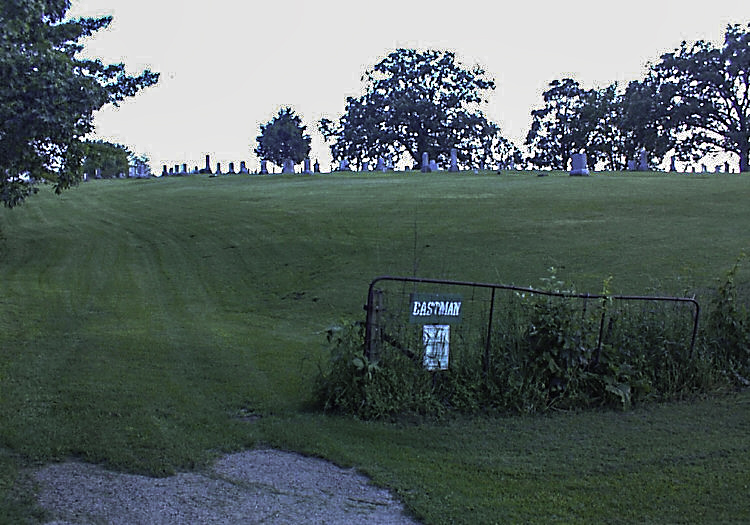
May 31, 1924 — Charlotte dies in Sheffield, Alabama, and is buried at Eastman Cemetery next to Floyd. Clarence wrote that with Mama gone it fell to the older brother to keep the correspondence. He was busy among “the sick and inane.” He saw “subtle forces” trying to divide the family. He told Jesse that Papa was wrong to go to Cuba, that no good thing had come of it, and to get out. He had almost taken the family to the depot in Camagüey and waited for a way home. When he did come, it was on charity, and without “my two dear ones.”
The boys, and Water Service Company
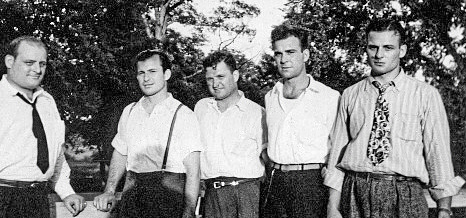
1929 — Anna Pease wrote that Clarence was in Wheaton helping the boys through school. January 1930 — flu, pleurisy, hardening of the arteries, overweight. Ariel and Allen camping in Wheaton, in high school. Joe, David, and Lewis with him. A large well contract. Stephen in New York with Colonial Radio as chief designing engineer, just finished an automatic coil-winding machine, nearly 200 pounds. “Certainly have much to praise God for in my six big boys.”
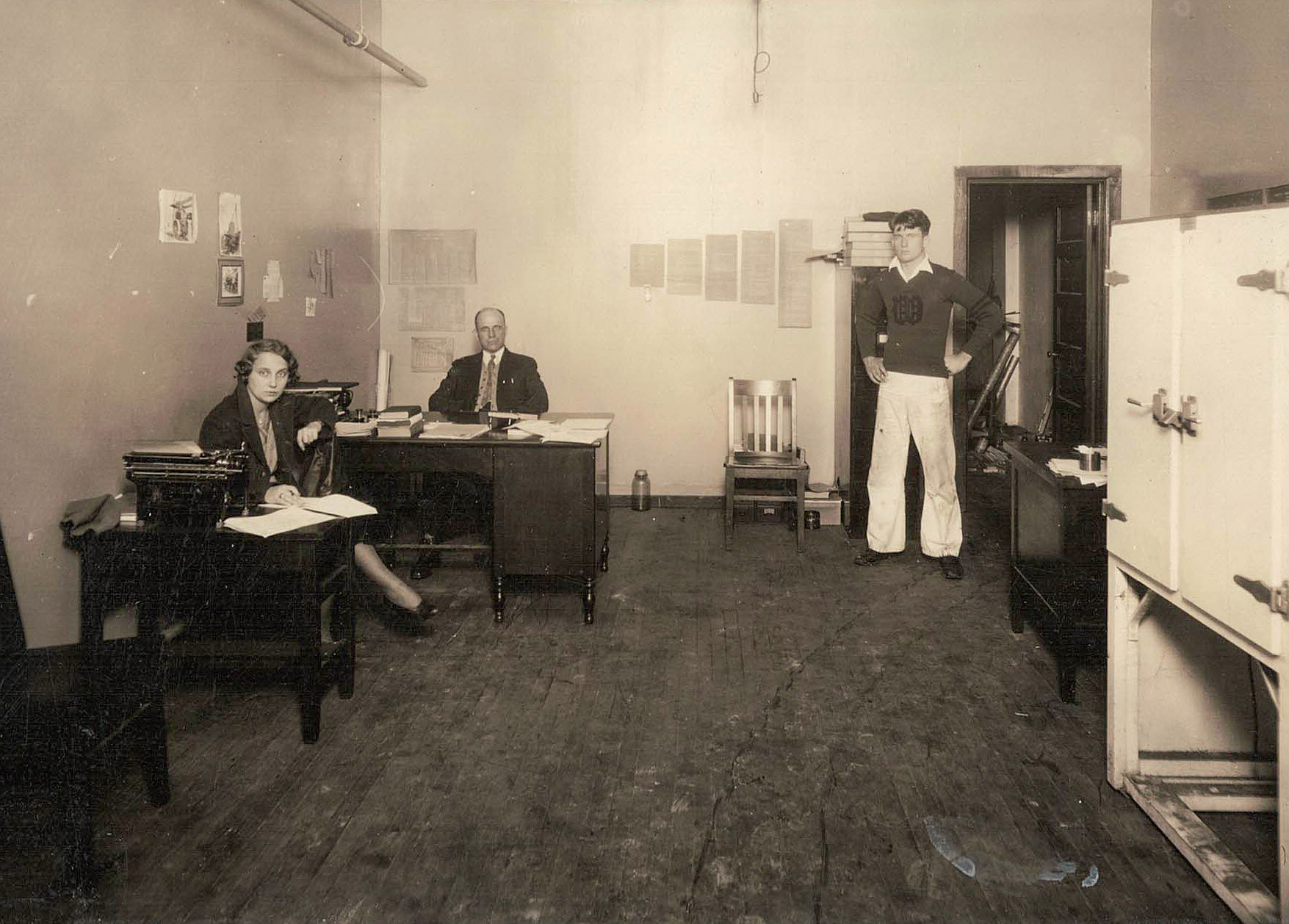
August 13, 1931, Libertyville: David had been sailing New York to Havana on the steamer Morro Castle. The new firm is The Water Service Company, outgrowth of C. W. Crosby & Sons. Ariel is in the office. Joe and Louie run a machine. Allen is mostly at home with his mother (Almeda). They have more work than they can do, with Keystone wire-line machines.
The 1930s letters
The family letter started November 19, 1932 (1968 book, page 18). Through 1933 and 1934 Clarence begged Jesse to leave Cuba. He wrote of uprisings, bad mail, communism in the colleges, and a Canadian oil-well company that made him chief engineer and then stalled. He offered Jesse work. The family, he said, would drop all claims if Jesse would come out as Nell had.
October 25, 1933: “There are a number of ‘incurables’ that I am especially interested in; and I love to go to them and help them in any way possible. It is really my chief joy in life.”
December 29, 1933: a new church administration removed him. “Allen is a great big fine lad, and brings his girl in to see us sometimes.” Lewis in Florida. Joe and Ariel in Eau Claire. Ariel and Maxine “about the most ideal little couple.” He had not heard from Stephen or David in a long time.
March 31, 1934 — one of the most important family letters. He thanked Jesse for taking on the material head of the family when Clarence would not. He wrote that Floyd’s “unreasonable and unrighteous hatred for Dr. Dowie” and Floyd’s idol of climate had steered them into Cuba, “this whole Cuban muddle.” He asked Jesse to have a free hand to pass title. In September the family signed a Letter of Release of all interest in the Cuban property. He did not expect to stay with the Clark boys that winter, and was not telling even Meda his real plans.
June 4, 1936, Wheaton: a virtual separation from Meda on his last birthday. For three years he had spent more than half his waking hours weeping. His sons had told him to leave. He vowed he would weep no more. A family reunion was held in Sheffield, Alabama, in August 1936. Clarence did not attend.
In December 1936 he mailed a tract, “Fundamentalists, Awake!,” against collecting and bottling human blood in Chicago. In 1937 he was in New York, speaking at Bowery and Water Street missions, writing of 30-year life cycles. November 25, 1938 — 22nd anniversary of Teresa’s passing. “I cannot tell you how much I long to see her again.” Allen had married a year before. February 8, 1939 — supper with Allen and Pauline in a small apartment in North Chicago. Allen sold for Armour in Waukegan. Pauline was a stenographer in a lawyer’s office.
1943
May 7 — Fannie had a telegram: Clarence seriously ill in Johnson City. May 13 — Ruth Gottschalk, “Clarence’s life partner,” wrote that two chiropractors had given only short relief. He wanted to turn the case to the Lord. A doctor called it advanced Bright’s disease, blood pressure so high he might have a stroke. She put him on vegetable juices. He fell and bruised a hip. He forgot the juice schedule and went to the icebox. Joe arrived in the night. May 14 — Fannie found him “in a very bad condition,” system poisoned from the kidneys. The boys were taking care of the money. They hoped for a lot at South Wayne with Papa and Mama, if the others agreed.
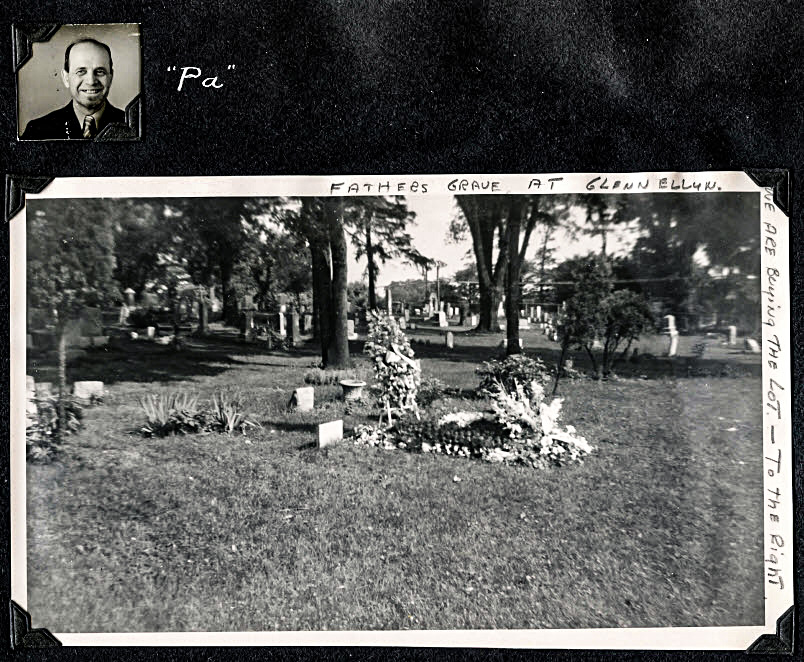
June 23, 1943 — Clarence dies in Johnson City, Tennessee. He was buried in Glen Ellyn, Illinois, not South Wayne.